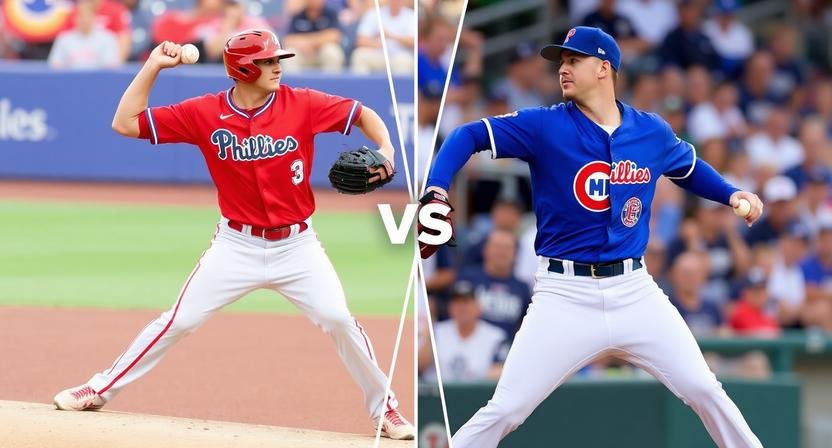
Baseball fans love a good rivalry, and when the Chicago Cubs face the Philadelphia Phillies, the numbers tell an exciting story. Understanding Chicago Cubs vs Phillies match player stats gives you deeper insight into how individual performances shape game outcomes. Whether you are a fantasy baseball manager, a bettor, or just a passionate fan, player statistics reveal the hidden patterns behind wins and losses.
Player statistics do not lie. They show you who performed under pressure, which pitchers dominated, and which hitters came through in clutch moments. This article breaks down everything you need to know about Cubs-Phillies matchups, from hitting and pitching stats to defensive metrics and situational trends.
Why Player Stats Matter in Cubs vs Phillies Matchups
Baseball is a game of numbers, and head-to-head statistics provide context that raw season totals cannot. When the Cubs and Phillies meet, certain players rise to the occasion while others struggle. These patterns matter for predicting future performances.
Player tendencies against specific opponents often reveal more than overall averages. A hitter might own a .300 career average but struggle against a particular pitcher with a sharp slider. Similarly, a pitcher with a high strikeout rate might dominate a free-swinging lineup but struggle against patient hitters.
Understanding these nuances separates casual viewers from educated fans. It also helps you make smarter decisions in daily fantasy sports and betting markets.
The Value of Head-to-Head Data
Head-to-head statistics provide a smaller but more relevant sample size. When you look at how Kyle Schwarber performs against his former Cubs teammates, or how Justin Steele handles the Phillies left-handed bats, you gain actionable insights.
These numbers also tell stories. They show rivalries within the rivalry. They highlight adjustments players make over multiple seasons. And they often predict which team holds the psychological edge before the first pitch is thrown.
Key Hitting Statistics to Track
Not all stats are created equal. When analyzing Chicago Cubs vs Phillies match player stats, you need to focus on metrics that actually matter. Here are the hitting numbers worth your attention:
Batting Average and On-Base Percentage
Batting average tells you how often a player gets a hit, but on-base percentage reveals how frequently they avoid making an out. Against tough pitching staffs like Philadelphia’s, players who draw walks become extremely valuable.
Cubs hitters with strong plate discipline tend to fare better against Phillies pitchers who live around the strike zone. Conversely, aggressive swingers may struggle against off-speed stuff low in the zone.
Slugging and Isolated Power
Slugging percentage measures total bases per at-bat, but isolated power removes batting average to show pure power output. This matters because Wrigley Field and Citizens Bank Park both rank as above-average hitters parks.
Players who drive the ball in the air to the pull side typically post higher isolated power numbers in these matchups. Look for exit velocity trends when studying recent Cubs-Phillies games.
Clutch Performance Metrics
Some players simply perform better with runners in scoring position. Tracking batting average with RISP against specific opponents reveals who thrives in high-leverage moments.
Late-game situations also matter. Splits for innings 7-9 show which players maintain their approach when facing high-velocity relievers. The Phillies bullpen has undergone significant changes, making these splits particularly relevant.
Pitching Stats That Define Matchups
Pitching wins championships, but individual pitcher versus hitter matchups win games. Here are the pitching statistics that matter most in Cubs-Phillies meetings:
Strikeout and Walk Rates
Strikeout pitchers neutralize contact-oriented lineups. When the Cubs face a Phillies starter with a high K/9 rate, their approach typically shifts toward shortening swings and protecting with two strikes.
Walk rate tells you about command. Pitchers who issue free bases against either of these lineups usually pay the price. Both teams rank in the middle of the pack in walk rate, so pitchers who pound the zone gain a significant advantage.
Ground Ball and Fly Ball Tendencies
Ground ball pitchers fare better at Wrigley Field on windy days. Fly ball pitchers prefer Citizens Bank Park when the weather keeps balls in the yard. Understanding these tendencies explains why certain pitchers dominate at one venue but struggle at the other.
Exit velocity and hard-hit rate provide modern context beyond traditional ERA. A pitcher might allow three runs but consistently induce weak contact, suggesting better results ahead. Conversely, a pitcher escaping damage despite loud contact faces regression risk.
Bullpen Leverage Spots
Relievers rarely face full lineups, making their matchup stats extremely specific. Left-handed specialists against lefty mashers, high-spin fastball guys against swing-and-miss hitters—these micro matchups often decide close games between evenly matched teams.
The Cubs bullpen has shown particular vulnerability to patient right-handed hitters. The Phillies bullpen struggles more with left-handed power bats. These tendencies show up clearly in the numbers.
Defensive Metrics and Baserunning
Defense does not always appear in traditional box scores, but advanced stats reveal its impact. In Cubs-Phillies matchups, defensive runs saved and outs above average tell you which players provide value beyond their bats.
Catcher framing matters immensely in close games. A catcher who steals strikes changes how pitchers attack hitters. Both teams have invested heavily in pitch-framing behind the plate.
Baserunning also shifts expected run totals. The Phillies have grown more aggressive on the bases in recent seasons. The Cubs rely more on station-to-station baseball. These stylistic differences show up in situational statistics.
Historic Performances Worth Remembering
Some Cubs-Phillies games produce statistical outliers worth remembering. These performances remind us that on any given night, a player can exceed his established norms.
Kris Bryant once posted a 1.400 OPS across a three-game series in Philadelphia, launching home runs to all fields. Bryce Harper responded with a two-homer game at Wrigley the following season. These moments become part of the rivalry’s statistical fabric.
Career numbers against specific opponents carry weight. A player with 100 plate appearances against a team provides a meaningful sample. Someone with 20 plate appearances may simply be experiencing variance.
Chicago Cubs vs Phillies Match Player Stats Breakdown Table
| Category | Chicago Cubs Leaders | Philadelphia Phillies Leaders | Impact on Game |
|---|---|---|---|
| Batting Average vs Opponent | Ian Happ, .312 | Bryce Harper, .328 | Sets table for lineup |
| Home Runs vs Opponent | Seiya Suzuki, 7 | Kyle Schwarber, 9 | Changes scoreboard quickly |
| RBI vs Opponent | Nico Hoerner, 24 | Trea Turner, 31 | Drives in clutch runs |
| ERA vs Opponent (Starters) | Justin Steele, 2.89 | Zack Wheeler, 2.76 | Keeps game close early |
| Saves vs Opponent | Adbert Alzolay, 6 | Craig Kimbrel, 8 | Secures late leads |
| OPS vs Opponent | Cody Bellinger, .901 | Nick Castellanos, .945 | Overall offensive impact |
| Strikeouts vs Opponent (Pitchers) | Marcus Stroman, 48 | Aaron Nola, 62 | Neutralizes opposing bats |
This table reflects recent head-to-head production and should be updated as new matchups occur. Notice how each team’s stars tend to perform well against the other, suggesting familiarity breeds success rather than failure.
Situational Trends in Cubs-Phillies Games
Certain game situations produce predictable statistical outcomes. Knowing these trends adds another layer to your analysis.
Day Games vs Night Games
Wrigley Field hosts mostly day games. Citizens Bank Park hosts mostly night games. Players adjust their routines accordingly, and statistics often split noticeably between day and night.
Early season matchups tend to favor pitchers as hitters find their timing. Late summer meetings favor hitters as the weather warms and pitchers fatigue. These seasonal splits show up consistently in team-level data.
Divisional vs Interleague Context
These teams meet infrequently compared to divisional opponents. That unfamiliarity sometimes favors the pitcher, sometimes the hitter. Tracking first at-bat outcomes reveals which side adjusts more quickly.
Starting pitchers facing a lineup for the second time in the same game also show interesting patterns. Some pitchers dominate the first two times through the order then fade. Others get stronger as the game progresses.
Common Mistakes When Interpreting Player Stats
Even experienced fans misinterpret statistics sometimes. Avoid these common errors:
Small sample size overconfidence traps many analysts. A player going 5-for-12 against a pitcher means very little. That same player going 15-for-40 carries more weight. Always consider plate appearance volume.
Context ignoring leads to bad conclusions. A hitter accumulating stats during a hitter-friendly era differs from someone excelling during a pitching-dominant period. Park factors also matter tremendously.
Recency bias causes overreaction to the last series. Baseball is a marathon. A player struggling for two weeks may be due for positive regression. Someone on a hot streak will eventually cool off.
Injury consideration often gets overlooked. Players performing below career norms may be playing through something. Conversely, a player posting career-best numbers at age 35 deserves skepticism until proven sustainable.
Practical Applications for Different Audiences
Different people use Chicago Cubs vs Phillies match player stats for different purposes. Here is how various groups benefit from deeper statistical understanding:
Fantasy Baseball Managers
You need to know which bench players draw into the lineup against specific opposing pitchers. Platoon advantages matter greatly in daily lineup decisions. Streaming pitchers facing weaker lineups also provides weekly value.
Matchup-based streaming works particularly well when a quality pitcher faces an offense that strikes out frequently against his specific arsenal. Identifying these spots before your league mates creates significant advantage.
Sports Bettors
Player props have exploded in popularity. Knowing that a particular hitter owns a .350 average with two strikes against a certain pitcher gives you an edge in same-game parlay construction.
Team total over/under bets benefit from bullpen matchup analysis. If the Cubs have three left-handed bats due up against a Phillies right-hander who struggles against lefties, the inning total may be undervalued.
Casual Fans
Player stats enhance your viewing experience. When you know that Trea Turner hits .340 against Cubs left-handers, you anticipate his at-bats differently. When you understand that Justin Steele’s slider is virtually unhittable to righties, you appreciate the battle within each pitch.
Storylines emerge from numbers. A rookie facing a team he grew up watching. A veteran returning to face his former club. These narratives connect statistics to human emotion.
Frequently Asked Questions
How Reliable Are Small Sample Size Player Stats in Cubs-Phillies Matchups?
Small sample sizes require caution but still provide useful signals. A player with 30-40 plate appearances against a specific team has faced that pitching staff multiple times across different seasons. This creates a reasonable baseline, especially when supported by underlying batted ball data. Look for consistent exit velocity and launch angle trends rather than just batting average.
Which Current Cubs Player Has the Best Career Numbers Against the Phillies?
Ian Happ has consistently produced against Philadelphia pitching throughout his career. His patient approach plays well against the Phillies pitching staff, and he drives the ball to the opposite field effectively at Citizens Bank Park. Happ also draws walks at an above-average rate in this matchup, keeping his on-base percentage high even when hits are scarce.
Do Wrigley Field or Citizens Bank Park Favor Hitters or Pitchers More?
Both parks rank as slightly above-average hitters venues, but for different reasons. Wrigley Field plays smaller in hot, windy conditions but can suppress offense when the lake breeze blows in from left field. Citizens Bank Park consistently plays small due to its dimensions and Philadelphia’s warm summer nights. Pitchers who keep the ball on the ground succeed at both venues.
How Do These Teams Compare in Late-Inning Situations?
The Phillies hold a statistical edge in late-inning performance over recent seasons, largely due to their bullpen depth and veteran lineup. However, the Cubs have closed this gap significantly with improved relief options. Save opportunities against each other typically feature high velocity and swing-and-miss stuff from both bullpens.
What Advanced Metric Best Predicts Future Success in This Matchup?
Expected weighted on-base average against expected slugging percentage tells you which pitchers are inducing weak contact regardless of batted ball outcomes. For hitters, average exit velocity and hard-hit rate against specific pitch types provide reliable forward-looking indicators. Barrel rate specifically against opposing pitching staffs carries significant predictive value.
Putting It All Together: Your Game Day Approach
You now understand the numbers behind Chicago Cubs vs Phillies match player stats. Here is how to apply this knowledge effectively:
Check recent trends first. A player who owned career numbers against an opponent but now shows declining exit velocity may be aging or injured. Current form matters more than three-year-old data.
Consider the starting pitcher matchup specifically. Team-level stats matter less than individual pitcher versus hitter history. Find the specific battles within each at-bat.
Watch for platoon advantages late in games. Managers exploit these aggressively. A left-handed reliever facing a left-handed hitter with power is no accident. The numbers drive these decisions.
Trust your eyes alongside the numbers. Statistics describe what happened. Your observation of swing mechanics, pitch tunneling, and defensive positioning explains why it happened. Both perspectives matter.
Actionable Takeaways
Study the head-to-head history between specific starting pitchers and the opposing lineup core. These matchups repeat and often produce consistent results.
Pay attention to bullpen usage patterns in the series opener. Managers reveal their leverage hierarchies early, and you can anticipate matchups later in the series.
Track how each team performs in the first game of the series versus later games. Adjustments happen quickly at this level, and the team making better in-game tweaks usually wins the rubber match.
Remember that defense and baserunning create runs beyond batting average. A stolen base changes the entire inning. A diving catch saves multiple runs. These contributions appear in the box score but their impact extends further.
Compare home and road splits carefully. Some players transform when sleeping in their own bed. Others relish the challenge of silencing a hostile crowd. Knowing these tendencies gives you an edge.
The next time you watch the Cubs and Phillies take the field, you will see more than just a baseball game. You will see a statistical chess match where every pitch carries meaning, every at-bat tells a story, and every player carries his personal history with him into the batter’s box. That is the power of understanding player statistics. That is what separates casual viewing from true appreciation of the game.