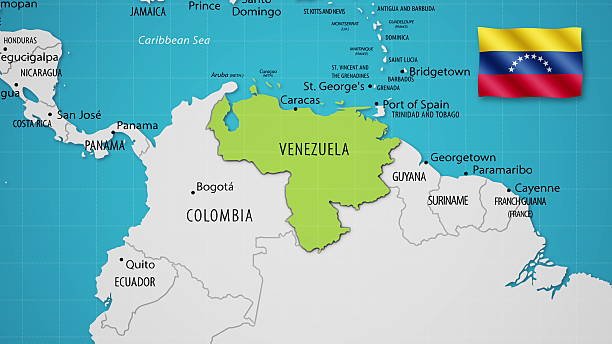
Many users searching online type “Veneajelu” when they actually mean Venezuela, a country located on the northern coast of South America known for its vast oil reserves, breathtaking natural landscapes, and complex political history. Venezuela is a nation of contrasts, combining Caribbean beaches, Amazon rainforest, Andean mountains, and one of the world’s tallest waterfalls. Despite economic challenges in recent years, the country remains culturally rich and geographically extraordinary. Understanding Venezuela requires exploring its history, economy, politics, culture, and tourism potential in depth, as each aspect plays a crucial role in shaping the nation’s global identity and future trajectory.
Geography and Natural Wonders of Venezuela
Venezuela is geographically diverse, featuring coastal plains, mountain ranges, tropical jungles, and vast savannas. One of its most iconic landmarks is Angel Falls, the tallest waterfall in the world, located within Canaima National Park. This natural wonder attracts adventurers and eco-tourists from across the globe who seek dramatic landscapes and untouched wilderness. The country also shares part of the Amazon Basin, making it one of the most biodiverse regions in the world.
The Andes Mountains extend into western Venezuela, creating cooler climates and fertile valleys that contrast with the tropical heat of the Caribbean coastline. Lake Maracaibo, one of South America’s largest lakes, plays an essential role in the country’s oil production and economic development. Venezuela’s strategic location along the Caribbean Sea has historically made it a key player in trade, migration, and cultural exchange within Latin America.
Historical Background and Political Development
Venezuela’s history is deeply connected to colonialism, independence movements, and modern political transformations. The country gained independence from Spain in the early 19th century under the leadership of revolutionary hero Simón Bolívar, who played a crucial role in liberating much of South America from Spanish rule. Bolívar remains a central figure in Venezuelan identity and political ideology.
In the late 20th and early 21st centuries, Venezuela underwent significant political changes, particularly during the presidency of Hugo Chávez, who introduced a socialist-oriented political movement known as the Bolivarian Revolution. His policies reshaped Venezuela’s economic and social systems, emphasizing state control over natural resources, especially oil. Political divisions and governance challenges have continued under subsequent administrations, influencing both domestic conditions and international relations.
Venezuela’s Economy and Oil Industry
Venezuela possesses some of the largest proven oil reserves in the world, making petroleum the backbone of its economy. For decades, oil exports generated substantial national revenue, funding infrastructure projects, social programs, and public services. However, fluctuations in global oil prices, economic mismanagement, sanctions, and declining production capacity have significantly impacted economic stability.
Hyperinflation, currency devaluation, and shortages of essential goods have defined recent economic struggles. Nevertheless, Venezuela continues to hold immense potential due to its natural resources, including oil, gas, minerals, and agricultural land. Economic recovery efforts focus on diversification, foreign investment, and modernization of infrastructure. Understanding Venezuela’s economy requires recognizing both its immense resource wealth and the structural challenges that have limited sustainable growth.
Culture, Traditions, and Venezuelan Identity
Venezuelan culture reflects a blend of Indigenous, African, and Spanish influences that shape its music, cuisine, and social traditions. Traditional foods such as arepas, pabellón criollo, and hallacas are central to national identity and family gatherings. Music styles like joropo highlight regional diversity, while festivals and religious celebrations demonstrate strong community bonds.
Baseball is the most popular sport in Venezuela, symbolizing national pride and international connection, especially with Major League Baseball in the United States. Venezuelans are widely recognized for their resilience, hospitality, and strong sense of cultural heritage despite economic hardships. Art, literature, and dance continue to thrive as expressions of national spirit and creativity.
Tourism Potential and Travel Opportunities
Although tourism has faced challenges due to economic conditions, Venezuela remains one of South America’s most naturally stunning destinations. From Caribbean islands such as Los Roques to the dramatic tepui mountains of Canaima National Park, the country offers extraordinary ecotourism experiences. Wildlife enthusiasts, photographers, and adventure travelers are drawn to Venezuela’s untouched environments and unique geological formations.
Improved political stability and infrastructure investment could significantly boost tourism in the future, as the country’s natural assets remain world-class. Travelers interested in authentic cultural experiences, biodiversity, and dramatic landscapes often describe Venezuela as one of the continent’s most underrated destinations.
Conclusion
Whether searched as “Veneajelu” or correctly spelled Venezuela, this South American nation stands as a country of immense natural beauty, rich history, and complex economic realities. From the towering heights of Angel Falls to the revolutionary legacy of Simón Bolívar, Venezuela’s story is both inspiring and challenging. While the nation faces economic and political obstacles, its cultural strength, natural resources, and resilient population continue to define its global importance. For researchers, travelers, and global observers, understanding Venezuela means exploring its geography, history, economy, and cultural identity in a comprehensive and balanced way.
Frequently Asked Questions (FAQ)
1. Is Veneajelu the same as Venezuela?
Yes, “Veneajelu” is a common misspelling of Venezuela, a country located in northern South America.
2. What is Venezuela famous for?
Venezuela is famous for Angel Falls, its vast oil reserves, Caribbean coastline, and rich cultural heritage.
3. Why is Venezuela’s economy struggling?
Economic challenges stem from heavy reliance on oil exports, global price fluctuations, political instability, sanctions, and structural economic issues.
4. Is Venezuela safe for tourists?
Travel safety varies by region, and visitors should always check current travel advisories before planning a trip.
5. Who was Simón Bolívar?
Simón Bolívar was a Venezuelan revolutionary leader who played a central role in South America’s independence from Spanish rule.